Top Edible Pink Salt Benefits for Health & Wellness

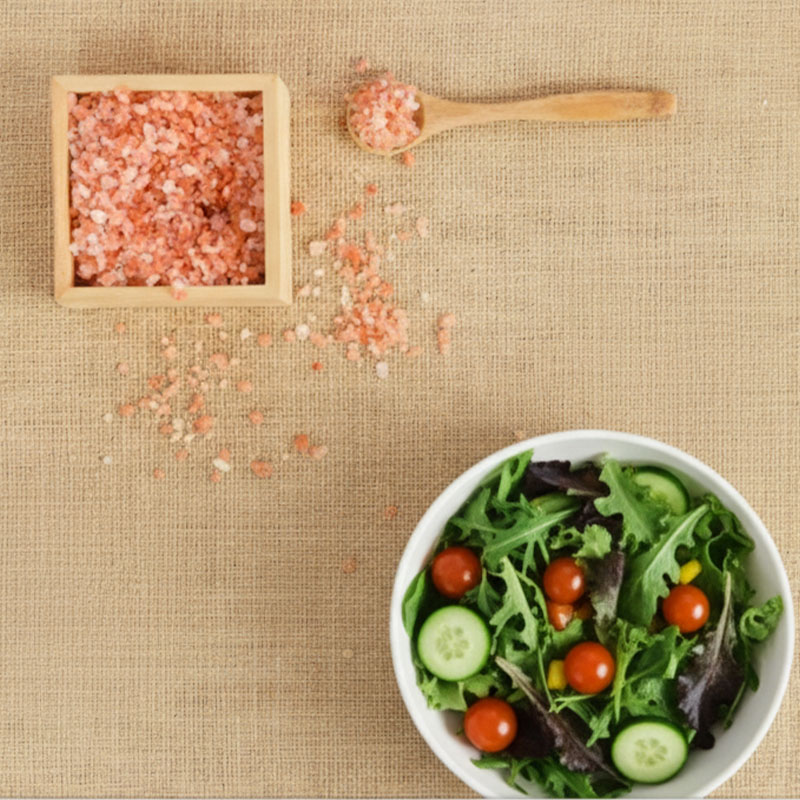
Himalayan Pink Salt: Benefits, Uses, and Nutrition Facts
Himalayan pink salt literally turns the world of salt upside down by quickly becoming a leader among salts in small kitchens and large, as well as wellness shops worldwide – and it is making a terrific case! The fabulous and unique pink salt, mostly obtained from Khewra salt mines in Pakistan, is definitely more than a mere condiment, besides being a powerhouse of minimal essential trace minerals, serving a very distinctive and flavorful taste, and making a visual impact in any kitchen.
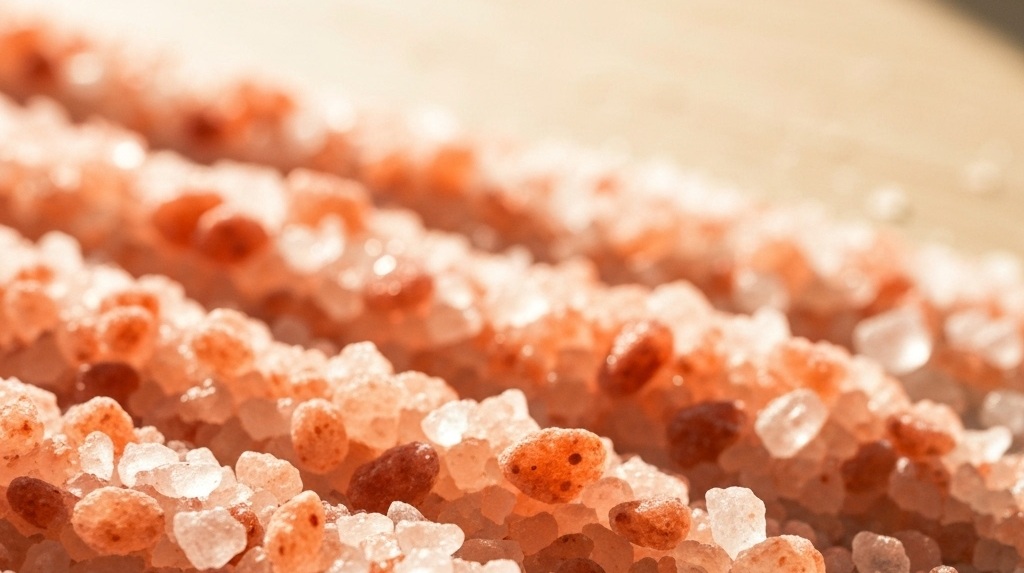
This article is packed with the potent health effects, the broad range of applications, and the mineral-rich content of the pink Himalayan salt, which you may read about in the next paragraphs.
What is Himalayan Pink Salt?
Himalayan pink salt is a rock salt naturally harvested from the Himalayan foothills. The Pink salt comes from the Khewra mines in Punjab, Pakistan, the second-largest salt mines in the world, and the oldest one.
Its pinkish color is a result of the trace minerals in it, such as iron, magnesium, calcium, and potassium. Typically, Himalayan salt is less processed and Devoid of any additives or anti-caking agents when compared to refined table salt. This explains the presence of more natural, beneficial properties in it.
Mineral Composition Of Himalayan Pink Salt
The very thing that makes Himalayan Pink Salt visually appealing and giving the right flavor to the food is its trace minerals that constitute about one to four percent of the salt. Himalayan Pink Salt is approximately 96-99% Sodium Chloride (NaCl). In contrast to other salt that has been processed and purified, Himalayan Pink Salt is enriched with more than 80 trace minerals, which are beneficial not only to human beings but also to other animals. Below are the minerals present in Himalayan Pink Salt; the reference article is also provided.
Health Benefits of Himalayan Pink Salt
| Parameter | Range(wt%) | mg per 1g Salt |
| Moisture Content | 0.03 – 0.09 % | 0.30 – 0.90 mg |
| Calcium (Ca) | 0.15 – 0.32 % | 1.5 – 3.2 mg |
| Magnesium (Mg) | 0.11 – 0.35 % | 1.1 – 3.5 mg |
| Copper (Cu) | 0.00002 – 0.000185 % | 0.0002 – 0.00185 mg |
| Manganese (Mn) | 0.000021 – 0.000042 % | 0.00021 – 0.00042 mg |
| Zinc (Zn) | 0.000004 – 0.000006 % | 0.00004 – 0.00006 mg |
(Hassan, Abrar Ul & Mohy-ud-Din, Ayesha & Ali, Sakhawat. (2017). Chemical Characterization of Himalayan Rock Salt. Pakistan Journal of Scientific and Industrial Research Series A: Physical Sciences. 60. 67-71. 10.52763/PJSIR.PHYS.SCI.60.2.2017.67.71. )
1. NATURAL AND ADDITIVE-FREE
Once salt is extracted from nature, it is supposed to be refined and cleaned of its other impurities. While table salt generally undergoes chemical bleach, and thus impart impurities like anti-caking agent, the opposite is true for a Himalayan Pink Salt, which, apart from being additive-free, is mined, washed, and crushed, thus, it is more or less in its natural form.
2. Contains Trace Minerals
One of the main reasons for the popularity of the notably magnificent pink rock salt is its ability to provide the body with more than 80 different minor elements, amongst which are calcium, magnesium, and potassium, which may improve hydration and pH balance.
3.LOWER SODIUM PER SERVING
Compared to table salt the volume of Himalayan Pink Salt head crystals is larger, as a result, you may use a smaller amount of salt, which in turn will lower your sodium intake.
4. AESTHETIC AND CULINARY APPEAL
Besides having the vast advantages as edible salt, which is richer in minerals compared to table salt, this salt is also popular as its culinary appeal. It is broadly utilized by chefs to decorate food and illuminate kitchens with salt lamps, besides eating due to its lovely pink color and bland taste.
Common Uses of Himalayan Pink Salt
Cooking & Seasoning: Sprinkle on vegetables, meats, or baked goods.
Salt Blocks & Slabs: Employed for grilling, chilling, and serving food.
Bath Soaks & Scrubs: Used in relaxation and skin improvement when dissolved in warm water.
Salt Lamps: Utmost a calming effect on the user, they are supposed to purify the air from pollutants.